Miniature Dachshund Insurance: What Changes for the Smaller Dog
Same IVDD risk, smaller body, slightly smaller premium. Here's what actually changes when you insure a mini, and the one thing owners most often get wrong.
Written by Allen Lee · Published September 2, 2026 · Last updated September 2, 2026

Quick answer
Miniature dachshunds carry the same IVDD risk as standards, so insurance matters just as much. Premiums are usually a little lower, typically $20–$40/month for an adult mini (under 11 lbs at 12 months). Most insurers don't even distinguish mini from standard; they price on breed, age, and ZIP. Enroll as early as you can, before any back symptoms land on the vet record. Coverage varies by insurer and policy.
Key facts
- Mini weight cutoff
- Under 11 lbs (adult)
- Typical premium
- $20–$40/mo (adult)
- IVDD risk
- Same as standard dachshund
- Best enrollment age
- 8–14 weeks
- Breed classification
- Usually just 'dachshund'
What counts as a miniature dachshund?
In the U.S., a miniature dachshund is one that weighs under 11 pounds at 12 months of age; standards run 16–32 pounds, and dogs in between are informally called 'tweenies.' The distinction is a size class, not a separate breed, same genetics, same long-backed body plan, same chondrodysplasia mutation that drives disc disease. That matters for insurance because nearly every carrier's quote form simply asks for 'dachshund' and prices on breed, age, and location rather than mini versus standard.
IVDD risk doesn't shrink with the dog
This is the point owners most often get wrong: a smaller dachshund is not a safer dachshund. Minis carry the same predisposition to intervertebral disc disease, roughly 1 in 4 dachshunds of either size will experience it. Some breeders and studies suggest certain mini lines may even carry elevated risk. So the same rules apply: prioritize unlimited or high annual payout limits over a cheap premium, and read the orthopedic waiting period carefully before enrolling.
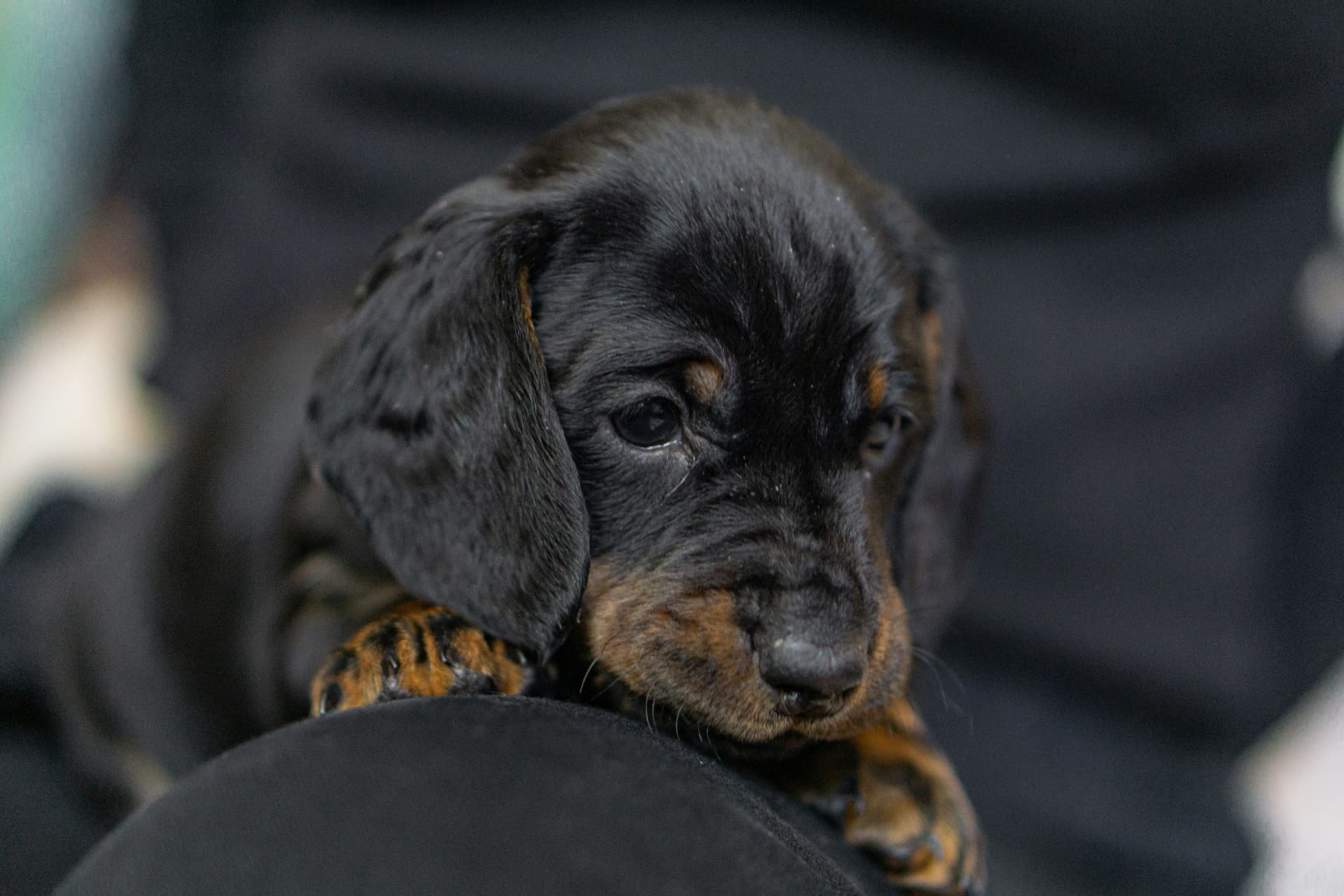
Dental disease deserves extra attention in minis
Miniature dachshunds pack the same 42 adult teeth into a noticeably smaller jaw, which crowds teeth and accelerates tartar buildup and periodontal disease. Professional cleanings under anesthesia commonly run $500–$1,500, and most base policies exclude dental illness entirely. If you're insuring a mini, the shortlist of carriers whose plans may cover dental illness meaningfully. Pumpkin and Fetch by The Dodo are the standouts in our reviews, matters more for this size class than almost any other.
The best time to insure a mini
As early as the carrier allows, typically 8 weeks old. Puppy premiums for minis are often under $25 a month, and enrolling before the first vet records of any back, knee, or dental issue means nothing can be classed as pre-existing later. If your mini is already an adult, enroll anyway: premiums stay moderate until senior years, and the IVDD window (typical onset ages 3–7) may still be ahead of you.
Do miniature dachshunds cost more to insure?
Premiums are rated mostly on species, breed, age, and ZIP code, and most carriers rate miniature and standard dachshunds under the same breed code, so quotes usually come back within a few dollars of each other. Where minis can differ is claim profile: they carry the same chondrodysplastic disc risk in a smaller frame, and some studies suggest comparable or higher IVDD incidence. The practical takeaway is that a mini owner should shop for the same thing a standard owner does, high annual limits and clean orthopedic terms, rather than assuming a smaller dog means smaller bills.
What minis need that other small dogs do not
A generic small-breed insurance recommendation misses two things for minis. First, spinal coverage terms matter far more than dental or wellness add-ons that dominate small-dog marketing. Second, surgery on a mini is not proportionally cheaper, imaging, surgeon time, anesthesia monitoring, and hospitalization are priced by procedure, not by pounds. A 9-pound dachshund and a 28-pound dachshund can generate nearly identical five-figure invoices, so the annual limit you choose should reflect the procedure cost, not the dog's size.
Getting an accurate mini quote
When quoting, enter the breed exactly as the carrier lists it. 'Dachshund, Miniature' where the option exists, and use your dog's real ZIP code, since regional vet costs drive a large share of the price. Quote the same three variables across every carrier so the comparison is honest: identical deductible, identical reimbursement percentage, identical annual limit. Then read each sample policy for orthopedic waiting periods and bilateral clauses before deciding on price. Our cost calculator lets you model those variables before you talk to anyone.
Frequently asked questions
Is miniature dachshund insurance cheaper than standard?
Usually a little, often a few dollars a month, because smaller dogs can cost less to treat. But breed, age, and ZIP code move the quote far more than the mini/standard distinction.
Do minis still need IVDD coverage?
Yes. Miniature dachshunds carry essentially the same IVDD risk as standards, roughly 1 in 4 over a lifetime. Prioritize high or unlimited annual payout limits when comparing plans.
Do insurers have a separate 'miniature dachshund' category?
Almost never. Quote forms typically list 'dachshund' only. A few carriers ask for weight or variety, which is where a small premium difference can appear.
What should mini owners look for in a policy?
High payout limits for IVDD, a short orthopedic waiting period, and, because minis are so prone to dental disease, a plan that covers dental illness, not just dental accidents.
Is pet insurance for a miniature dachshund cheaper than for a standard?
Usually about the same. Most insurers rate both under one dachshund breed code, and the surgical costs the policy protects against do not shrink with body size.
Are miniature dachshunds more prone to IVDD?
Both varieties carry high breed risk from the same chondrodysplastic genetics, and miniatures are frequently cited among the highest-incidence groups. Either way, planning coverage around disc disease is the right approach for the breed.
Sources
Make sure your dachshund is covered before you need it.
Compare the plans that cover IVDD for dachshunds in under two minutes.
Advertiser disclosure — we may earn a commission.
About these carrier comparisons
Plan details, prices, ratings and "best for" labels on this page are our own editorial opinion, based on publicly available plan documents and marketing materials at the time of writing. They are not quotes, endorsements, or statements made by the insurers. Terms, pricing, waiting periods, exclusions and state availability vary by insurer and policy and can change at any time — always confirm current details in the carrier's own policy documents. Company and product names are the trademarks of their respective owners and are used here for identification only; use does not imply affiliation or endorsement, except where an affiliate relationship is disclosed. Spot an inaccuracy? Tell us and we'll correct it.
About these carrier comparisons: Plan details, prices, ratings and "best for" labels on this page are our own editorial opinion, based on publicly available plan documents and marketing materials at the time of writing. They are not quotes, endorsements, or statements made by the insurers. Terms, pricing, waiting periods, exclusions and state availability vary by insurer and policy and can change at any time — always confirm current details in the carrier's own policy documents. Company and product names are the trademarks of their respective owners and are used here for identification only; use does not imply affiliation or endorsement, except where an affiliate relationship is disclosed. Spot an inaccuracy? Tell us and we'll correct it.