IVDD in Dachshunds: What Every Owner Needs to Know
Roughly 1 in 4 dachshunds will deal with IVDD, the condition every owner of this breed dreads. Here's what causes it, what treatment costs, and how insurance typically handles it.
Written by Allen Lee · Published June 10, 2026 · Last updated August 18, 2026
Quick answer
IVDD is the condition most dachshund owners will want to understand before it happens. Emergency surgery typically runs $6,000–$10,000, and comprehensive plans generally cover it only if you enrolled before any symptoms were documented, once it's diagnosed, you're usually on your own. Coverage varies by insurer and policy.
Key facts
- Breed risk
- 19–24% lifetime incidence
- Typical onset
- Age 3–7
- Surgery cost
- $6,000–$10,000
- Conservative care
- $500–$2,000
- Insurance status
- Eligible if not pre-existing
What is IVDD in dachshunds?
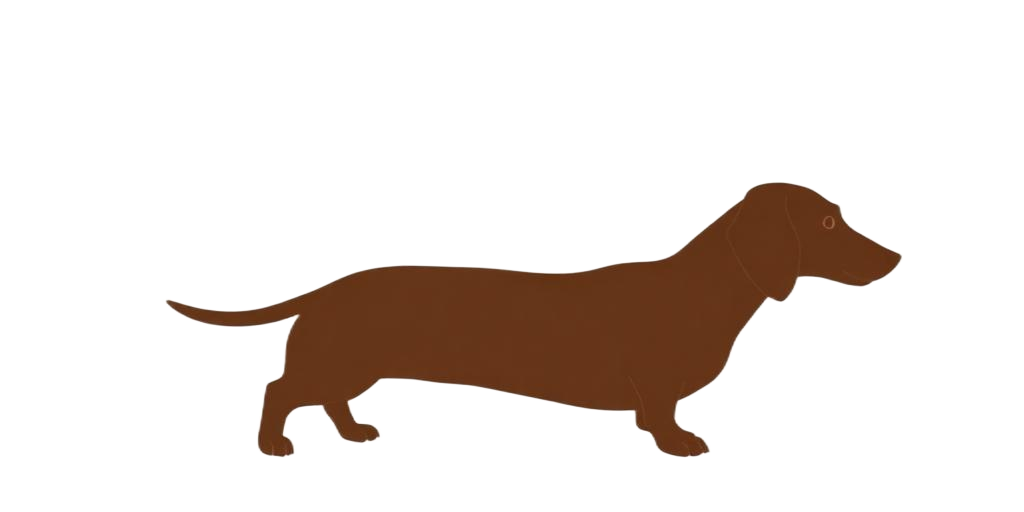
Intervertebral disc disease (IVDD) is a degenerative spinal condition where the cushioning discs between a dachshund's vertebrae harden or rupture, pressing on the spinal cord. Roughly 19–24% of dachshunds develop some form of IVDD in their lifetime, the highest rate of any breed. Their long backs and short legs (a body plan called chondrodysplasia) mechanically stress the spine, and the same genetic mutation that gives them their signature shape also causes early disc calcification. Most cases are Hansen Type I: the inner disc material calcifies, then extrudes suddenly into the spinal canal, often during an ordinary jump off a couch.
IVDD warning signs to watch for
Early IVDD symptoms include reluctance to jump, an arched or hunched back, tense abdominal muscles, yelping when picked up, trembling, and a wobbly or crossing hind-leg gait. Later signs include knuckling of the back paws, dragging the rear legs, and loss of bladder control. If you see any hindquarter weakness or loss of coordination, treat it as an emergency and get to a vet within hours, not days. Surgical outcomes drop sharply once deep pain sensation is lost, so speed materially changes the odds your dachshund walks again.
The five IVDD grades
Vets stage IVDD on a 1–5 scale. Grade 1 is pain only. Grade 2 adds weakness but the dog still walks. Grade 3 means the dog can move the legs but cannot stand or walk. Grade 4 is paralysis with pain sensation intact. Grade 5 is paralysis with deep pain sensation absent, the emergency of emergencies, where surgery within 12–24 hours is the difference between recovery and permanent paralysis. Grades 1–2 are frequently managed conservatively; grades 3–5 usually get imaging and surgery.
What IVDD treatment costs
Conservative treatment (strict crate rest, steroids or NSAIDs, muscle relaxants, gabapentin, physical therapy) typically runs $500–$2,000. Emergency MRI plus decompression surgery at a specialty hospital costs $6,000–$10,000, and post-op rehab adds another $1,000–$3,000. Some dachshunds have multiple episodes over a lifetime, so cumulative costs can exceed $20,000. Our IVDD surgery cost breakdown walks through each line item and what a typical 80% reimbursement plan pays back.
How pet insurance covers IVDD
Each comprehensive accident-and-illness plan we track currently lists IVDD as an eligible condition, but typically only if it is not pre-existing at enrollment, and always subject to the policy's terms, exclusions, and waiting periods. That makes enrolling young (ideally as a puppy) important. Two carriers publish a longer orthopedic waiting period: Lemonade (6 months) and Embrace (6 months, which they state can be waived with a clean vet exam). The others publish a standard 14–15 day illness waiting period. Payout caps matter more than premium for this breed: a $5,000 annual limit can be exhausted by a single surgery, while unlimited plans absorb repeat episodes. Verify current terms directly with the carrier before you buy.

IVDD prevention tips
You can't override genetics, but you can lower risk: keep your dachshund at a lean body condition score of 4–5 out of 9 (obesity dramatically increases disc pressure), use ramps for beds and couches, block stair access, use a Y-front harness rather than a collar, discourage rearing up on hind legs, and skip the jumping games. Vets increasingly recommend swimming and gentle leash walks as the ideal dachshund exercise, and controlled core-strengthening work with a canine rehab therapist for dogs already showing back sensitivity.
How IVDD is diagnosed
A general practice vet can suspect IVDD from a neurological exam alone, checking proprioception, reflexes, and deep pain response, but confirming which disc has herniated takes advanced imaging. X-rays rule out fractures and sometimes show calcified discs, though they cannot see the spinal cord itself. MRI is the standard for surgical planning and typically costs $2,000–$3,500 on its own; CT with myelogram is the cheaper alternative some hospitals use. This matters for your wallet as much as your dog: imaging is usually billed before anyone quotes you a surgery number, and most comprehensive policies reimburse diagnostics the same way they reimburse the surgery, as long as the condition was not pre-existing. Terms vary by insurer and plan.
Surgery vs. conservative management
There is no single right answer, and any honest guide says so. Grade 1–2 dogs often do well with strict crate rest for four to six weeks plus pain control, and many owners never face a surgical bill. Once a dachshund cannot stand (grade 3 and up), published surgical success rates are meaningfully higher than conservative care, and the gap widens as deep pain sensation fades. What owners underestimate is the conservative-care workload: genuine crate rest means carrying your dog outside to potty, no stairs, no couch, no zoomies, for weeks. Half-hearted rest is the most common reason a grade 2 dog becomes a grade 4 dog. Discuss both paths with a veterinary neurologist before deciding.
What recovery actually looks like at home
Post-op dachshunds usually stay hospitalized two to five days, then come home to six to eight weeks of confinement. Expect to manage bladder expression if bladder control has not returned, rotate your dog every few hours if they cannot reposition themselves, keep the incision clean and dry, and hand-feed medications on a schedule. Rehab, underwater treadmill, laser, assisted standing, is where a lot of function is regained, and it is one of the line items owners forget to budget for. Plan for a home setup before surgery day: a playpen on a non-slip surface, a raised food bowl, absorbent bedding, and a sling or towel for support walks. Our week-by-week IVDD recovery timeline covers what each stage should look like.
Frequently asked questions
At what age do dachshunds get IVDD?
Most first episodes occur between ages 3 and 7, though disc calcification can be visible on imaging as early as 12 months. Enrolling in insurance well before age 3 is the practical takeaway.
Can a dachshund recover from IVDD without surgery?
Yes, grade 1 and 2 cases are frequently managed with 6–8 weeks of strict crate rest and medication. Roughly half of conservatively managed dogs have a repeat episode within two years.
Is IVDD covered by pet insurance?
Comprehensive accident-and-illness plans typically cover IVDD when it is not pre-existing and the waiting period has passed. Coverage varies by insurer and policy; confirm the wording before enrolling.
How fast do I need to see a vet?
Within hours for any hind-leg weakness, dragging, or paralysis. Surgical success rates fall substantially once deep pain sensation has been absent for more than 24–48 hours.
Can a dachshund recover from IVDD without surgery?
Many grade 1 and grade 2 dogs do recover with strict crate rest, pain medication and time. The odds fall as neurological grade rises, and dogs that have lost deep pain sensation are generally considered surgical emergencies. Your veterinarian's grading of the case is the deciding factor, not cost alone.
Does one IVDD episode mean there will be more?
Not necessarily, but dachshunds that herniate one disc are statistically more likely to herniate another, because the underlying disc degeneration affects the whole spine. That recurrence risk is the main argument for choosing an annual limit that is unlimited or well above a single surgery's cost.
Sources
Make sure your dachshund is covered before you need it.
Compare the plans that cover IVDD for dachshunds in under two minutes.
Advertiser disclosure — we may earn a commission.
About these carrier comparisons
Plan details, prices, ratings and "best for" labels on this page are our own editorial opinion, based on publicly available plan documents and marketing materials at the time of writing. They are not quotes, endorsements, or statements made by the insurers. Terms, pricing, waiting periods, exclusions and state availability vary by insurer and policy and can change at any time — always confirm current details in the carrier's own policy documents. Company and product names are the trademarks of their respective owners and are used here for identification only; use does not imply affiliation or endorsement, except where an affiliate relationship is disclosed. Spot an inaccuracy? Tell us and we'll correct it.
About these carrier comparisons: Plan details, prices, ratings and "best for" labels on this page are our own editorial opinion, based on publicly available plan documents and marketing materials at the time of writing. They are not quotes, endorsements, or statements made by the insurers. Terms, pricing, waiting periods, exclusions and state availability vary by insurer and policy and can change at any time — always confirm current details in the carrier's own policy documents. Company and product names are the trademarks of their respective owners and are used here for identification only; use does not imply affiliation or endorsement, except where an affiliate relationship is disclosed. Spot an inaccuracy? Tell us and we'll correct it.